Phil Tippett’s Berkeley Studio Closes After Chapter 11, Decades of Props
source: kotakuPhil Tippett, the Oscar-winning effects artist whose stop-motion and visual effects work shaped the look of Star Wars, RoboCop, and Jurassic Park, has closed his Berkeley, California studio after nearly…
source: kotaku
Phil Tippett, the Oscar-winning effects artist whose stop-motion and visual effects work shaped the look of Star Wars, RoboCop, and Jurassic Park, has closed his Berkeley, California studio after nearly four decades of operation.
As Berkeleyside reported, the closure follows Chapter 11 bankruptcy proceedings and a multi-day liquidation sale held 28–30 August at the studio's 914 Grayson Street facility.

Tippett, now 74, told Berkeleyside he is retired — describing himself as someone who watched the film industry recede rather than choosing to walk away from it.
The fire sale, run by Clarity Estate Liquidation, offered hundreds of items from the studio's back catalogue. Cartoon Brew reported that the 6,200-square-foot space had been occupied for 35 years.
Everything from stop-motion rigs and 3D printers to production documents and creature models was available for purchase.
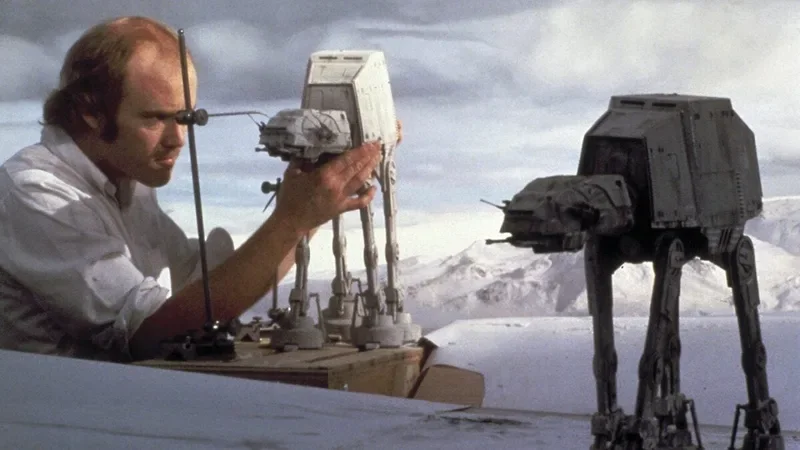
Highlights included three models connected to the Dejarik holographic chess sequence from the original Star Wars, an artist-proof AT-AT walker signed by Tippett, Starship Troopers miniatures, and assorted props and sketches from his 2021 stop-motion feature Mad God.
The two things Tippett declined to part with are his Academy Awards. He told CBS San Francisco they represent the most significant milestones of his career, though he acknowledged making many painful decisions about the rest.
From ILM to Independence
Tippett's career began at Industrial Light & Magic, where he animated the Dejarik chess creatures for A New Hope and rose to head the animation department during The Empire Strikes Back production.
Dark Horizons noted that he developed a smoother animation technique called go motion, used to bring the AT-ATs to life in Empire.
After earning his first Oscar on Return of the Jedi, he founded Tippett Studio in 1984 alongside his wife Jules Roman, initially working out of a garage in Berkeley.
The studio's credits span Willow, Howard the Duck, Honey, I Shrunk the Kids, Dragonheart, and the Twilight sequels. The range is remarkable.
Tippett received his second Oscar for Jurassic Park, a production where the original plan for stop-motion dinosaurs gave way to CGI and animatronics, leaving him with the now-legendary screen credit of "dinosaur supervisor."
A Long Decline and a Passion Project
Tippett told Berkeleyside the studio's demise was gradual, driven by Hollywood studio consolidation and regional tax incentives that drew film productions away from established effects houses.
In 2024, Indian company PhantomFX acquired Tippett Studio, but that acquisition did not prevent the Chapter 11 filing that followed. The industry had moved on.
Mad God, the bleak stop-motion feature Tippett spent more than 30 years completing, drew critical praise on its 2021 release but required multiple crowdfunding rounds to finish.
Ahead of the closure, Tippett set aside a collection of Mad God materials for an exhibition opening at CoproGallery in Los Angeles on 10 October.
What Went and What Remains
Berkeleyside reported that crowds formed down the block on the first day of the sale, with some former Tippett Studio employees among those picking up items they had worked on personally. The studio building itself is being fully vacated.
Despite the closure, Tippett signalled to CBS San Francisco that he is not finished working. He described the studio's nearly 40-year run as a good one while making clear he has no plans to fully retire.
The post Phil Tippett’s Berkeley Studio Closes After Chapter 11, Decades of Props Auctioned Off appeared first on Stevivor.